
Learn · Safety
Photography is inherently dangerous for a number of variable and uncontrollable reasons. As a rule of thumb, if at any time something feels unsafe, then assume that it probably is, and don't do it.
No photograph is ever worth risking your safety, or the safety of those around you.
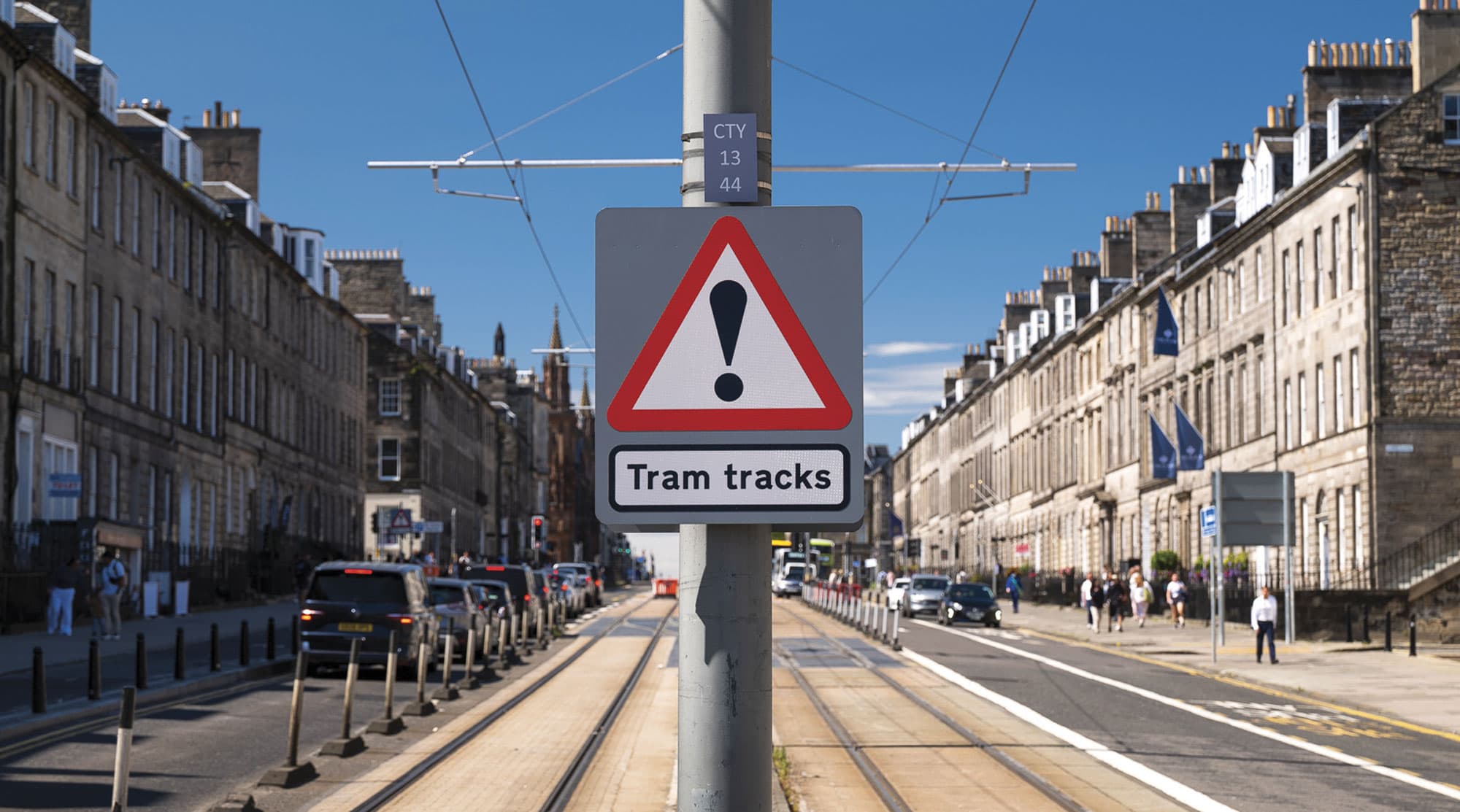
Plan for the best; prepare for the worst. As well as planning for the weather, always expect the unexpected and stay calm when conditions change. If you plan to photograph at night or late into the evening, pack everything you might need, including a torch, warm clothing and a hat.
Ensure your phone is adequately charged, or carry a portable battery pack. Don't rely on having mobile phone coverage at all times, and always plan where you are going and how you intend to return. Whenever possible, let someone know where you are going and when you expect to be back.
Weather and environmental conditions can change rapidly. Plan accordingly and use reliable weather forecasts and local information to stay informed and help protect both your personal safety and your equipment. Identify alternative routes, shelter and exit points where appropriate, and continue to monitor conditions while on location.
Always remember that the best camera is the one you have with you. Whether it's a phone, a film camera, a compact point-and-shoot or a medium-format system, it really doesn't matter. The single greatest step you can take towards becoming a better photographer is simply to take more photographs, more often.
Always respect the environment and other people using the locations where you photograph. Never alter or damage natural habitats or historic features to create a composition. Tread lightly and leave no trace.
The maps in the books and on this site are illustrative and should be used as a guide only. Use the Google Maps links on each page, or the GPS, Ordnance Survey or what3words references, together with your preferred mapping sources, to plan your route.
Coastal photography can be heavily influenced by tides and wave conditions. Always check local tide times before setting out, allow for changing conditions, and never allow the rising tide to cut off your return route.
Disclaimer
To the fullest extent permitted by applicable law, the author and publisher disclaim all liability for any loss, damage, injury or expense arising from the use of this publication or reliance upon its contents. Readers remain responsible for assessing conditions and making their own decisions including, but not limited to, safety, weather, environmental conditions, tides, traffic, access restrictions, other people and their own abilities.